
MODULE 3
Different Destinies of Wila
Different Destinies of Wila
This lesson explores specialized vocabulary and sayings in recordings of the "Décima de Wila" sung by the Isleño people in Louisiana. At the end of the lesson, you'll rewrite an alternate ending to the song.
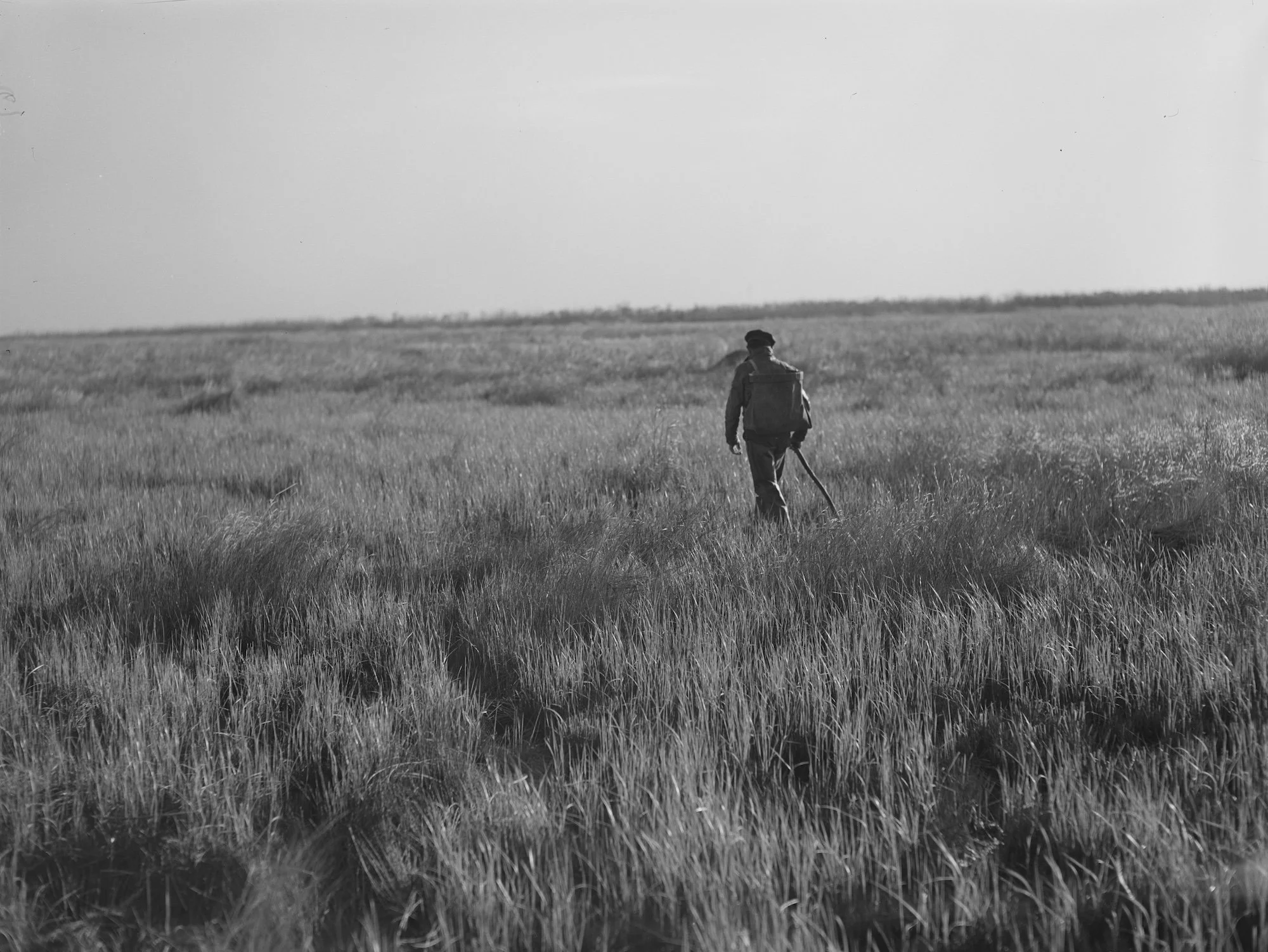
Irvan Perez talks about how the Isleño people traveled by push-pull barges during the summertime to pick moss to sell. One summer, someone had the idea of bringing along a mule named Wila on the barge to work the land on the other side of the river. John Robin explains that the mule was given such a heavy load that Wila's soul was crushed.
audio/wila-summary.mp3)Answer Key ›
Figuratively, the saying refers to escaping danger, justice, or reality; renouncing a project; giving up on a way of life; and conversely, seeking solitude, freedom from society, or a new beginning. Variations include: echarse / huir / irse al monte.
-
Cansados del clima político, los rebeldes se echaron al monte para fundar su propia sociedad.Tired of the political climate, the rebels ran for the hills to found their own society.
-
Cuando supo que su robo había sido descubierto, decidió echarse al monte y borrar todos los archivos.When he knew his theft had been discovered, he skipped town and deleted all the files.
-
Tenía miedo de que su negocio tecnológico fracasara, así que se echó al monte y volvió a dedicarse a la carpintería.She was afraid her technology business would fail, so she jumped ship and went back to working as a carpenter.
audio/wila-diaz.mp3audio/wila-robin.mp3audio/wila-campo.mp3audio/wila-paulina-diaz.mp3audio/wila-irvan-perez.mp3Rewrite the "Décima de Wila" in Spanish to give it an alternate ending. Consider some of these directions:
🔍 Advanced: Symbolic interpretations for advanced learners ›
As you rewrite the ending, consider symbolic interpretations. Wila, spelled "güila" or "huila," can refer to a young girl or a prostitute. Caco can refer to a thief. Chalán can refer to someone who buys and sells horses, as well as describe an overly talkative businessman who persuades people to buy things — someone who "le vende la burra" (rips you off).
How might the symbolic meanings of the characters' names create a metaphor for coerced relationships?
Learn More
Explore the original recordings, commentary, and archives that inform this lesson — all part of the Louisiana Décima Project's ongoing effort to preserve Isleño Spanish.